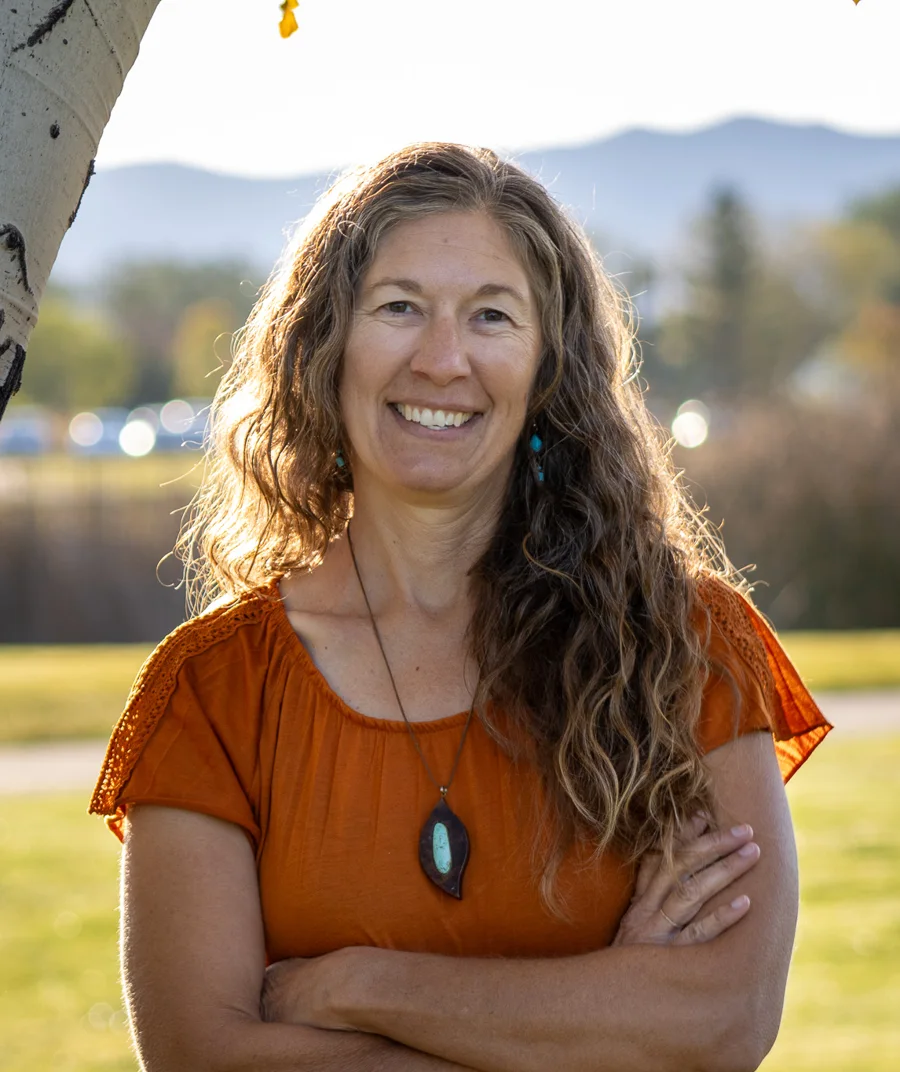
Allison KleinSouthwest Colorado Realtor®
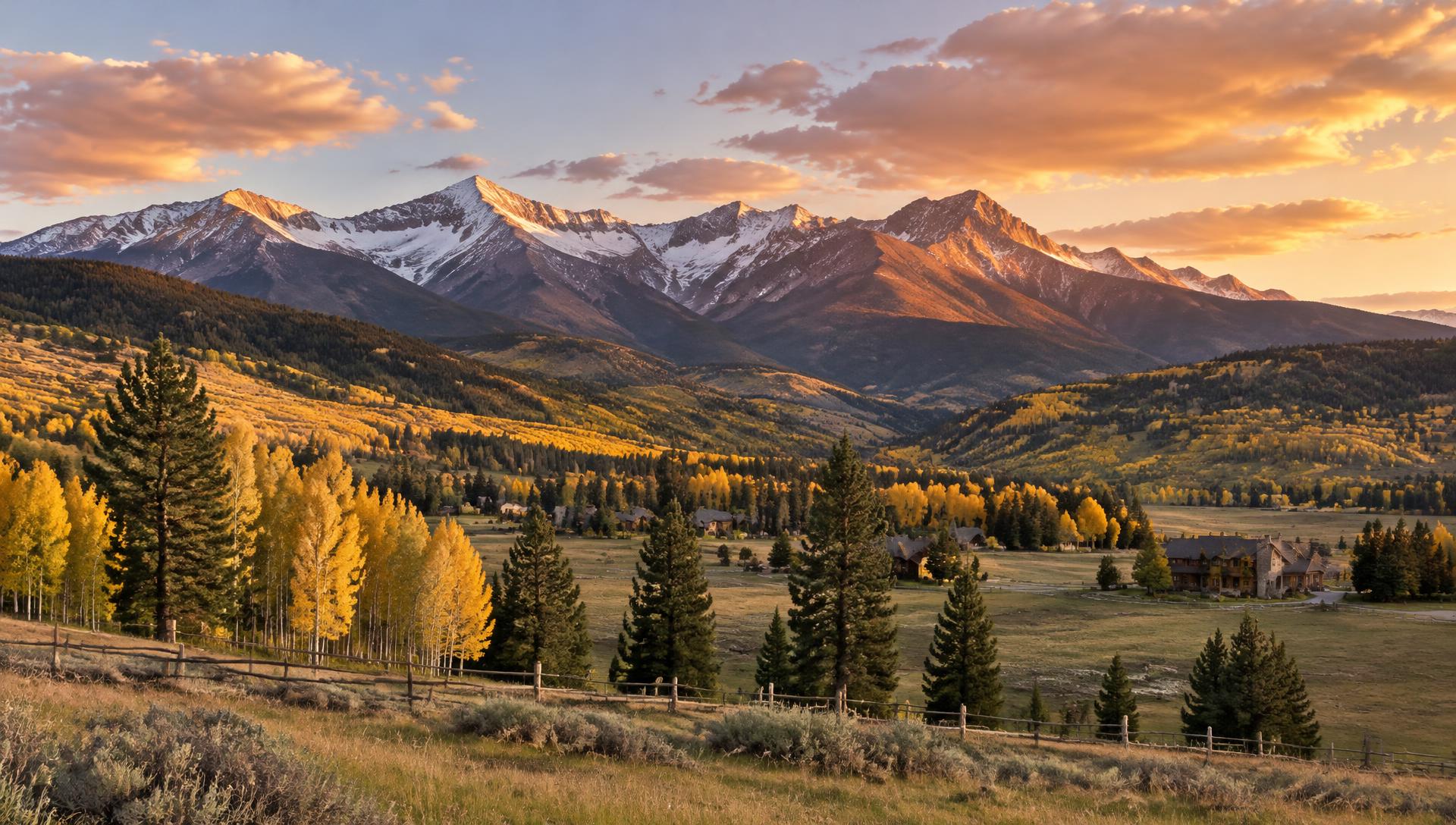
La Plata Mountains above a Southwest Colorado valley in fall

Winter and Rural Living in Southwest Colorado

Understand rural living in Southwest Colorado, from wells, septic, and propane to wood stoves, snow removal, private roads, and seasonal home upkeep.

By Allison Klein October 22, 2026 3 min read

Rural living in Southwest Colorado can mean quiet evenings, room for equipment, and a closer connection to the seasons. It also means knowing which systems and access responsibilities belong to you rather than a municipal service crew.

Start with the road, not the front door

Visit the property with access in mind. A driveway that feels straightforward on dry pavement may require a different plan when snow, ice, or mud arrives. Note steep sections, shaded corners, drainage crossings, and places where a vehicle would need to turn around. Ask who maintains every segment between the public road and the house.

Get the arrangement in writing

Review recorded access and road-maintenance documents with the appropriate professionals. Determine how snow removal is arranged, where snow can be stored, and whether contractors can reach the property. An informal history of neighbors helping each other is not the same as a documented obligation. Consider access for emergency responders and delivery vehicles, not only your own vehicle.

Learn how water and wastewater work

Ask whether water comes from a public provider, a well, a shared system, or another documented source. For a well, review the permit and available records, and arrange appropriate professional evaluation. Water quality, system condition, available supply, and permitted uses are separate questions that may require different expertise.

Septic systems deserve the same attention. Locate the tank and treatment area, request available permits and maintenance records, and ask the relevant local authority about transfer requirements. Keep vehicles, stored materials, and future construction plans away from areas that need protection. The Montezuma County guide can help orient a search, but no area overview substitutes for property-specific investigation.

Know your heat and fuel arrangements

Propane equipment may involve a leased tank or an owned tank, along with a supplier relationship. Verify ownership, service arrangements, and access for deliveries. Ask a qualified technician to evaluate heating equipment and explain basic maintenance. Know how the system behaves during a power interruption and what safe backup options are appropriate.

A wood stove brings its own questions about installation, chimney condition, clearances, and insurance. Have it evaluated rather than assuming a working fire proves safe operation. Store fuel appropriately and discuss smoke and carbon monoxide alarms with your inspector. Never improvise indoor heat using equipment intended for outdoor use, even during a short interruption.

Relocating?
Talk to a local Southwest Colorado Realtor.
See the moving game plan

Walk the property with every season in mind

Look for signs of water moving toward foundations, across driveways, or through outbuildings. Ask about roof drainage, gutters, culverts, and past repairs. Snowmelt and storm runoff can reveal problems that are not obvious during a dry showing. A qualified inspector can help distinguish routine upkeep from concerns needing further evaluation.

Think beyond winter

Dry vegetation, accumulated debris, and overhanging branches also deserve attention. Seek property-specific wildfire mitigation guidance and discuss coverage with an insurer early. Ask how much exterior work you can reasonably handle yourself. The right home is not necessarily the one with the fewest tasks; it is one whose responsibilities you understand and can manage consistently.

Build a realistic seasonal routine

Create a home binder containing provider contacts, permits, maintenance records, equipment instructions, and emergency shutoff locations. Include a plan for times when you are away. A rural home still needs attention during trips, busy work periods, or a stretch when nobody feels like tackling outdoor chores.

Before making an offer, collect answers to these questions:

  • Who plows, and how is service requested?
  • Which inspections require a specialist?
  • Can fuel deliveries and service vehicles reach the equipment?
  • What maintenance is shared, and what is yours alone?

Allison can help organize these questions during a relocation search, while licensed contractors and relevant agencies address technical issues. If you are comparing rural homes, get in touch with the features you want and the responsibilities you would rather avoid. Clear expectations make the transition more comfortable than discovering the system manual after the first storm.

Area guides mentioned

Moving to Southwest Colorado?

Tell Allison where you're coming from and what you love to do. She'll help you find the right town.

No spam, no obligation. Your info goes only to Allison.

Or call/text (970) 946-9409
Get pre-approved first

Know your budget and make stronger offers. Start with Tayton Capital, Allison's recommended lender.

Get pre-approved
FAQ

Quick answers

Talk to a local

Ready to make a move in Southwest Colorado?

Tell Allison what you're planning. You'll hear back quickly with homes, pricing and a clear next step — no pressure, no runaround.

Call or text (970) 946-9409

No spam, no obligation. Your info goes only to Allison.

Find a homeHome value