
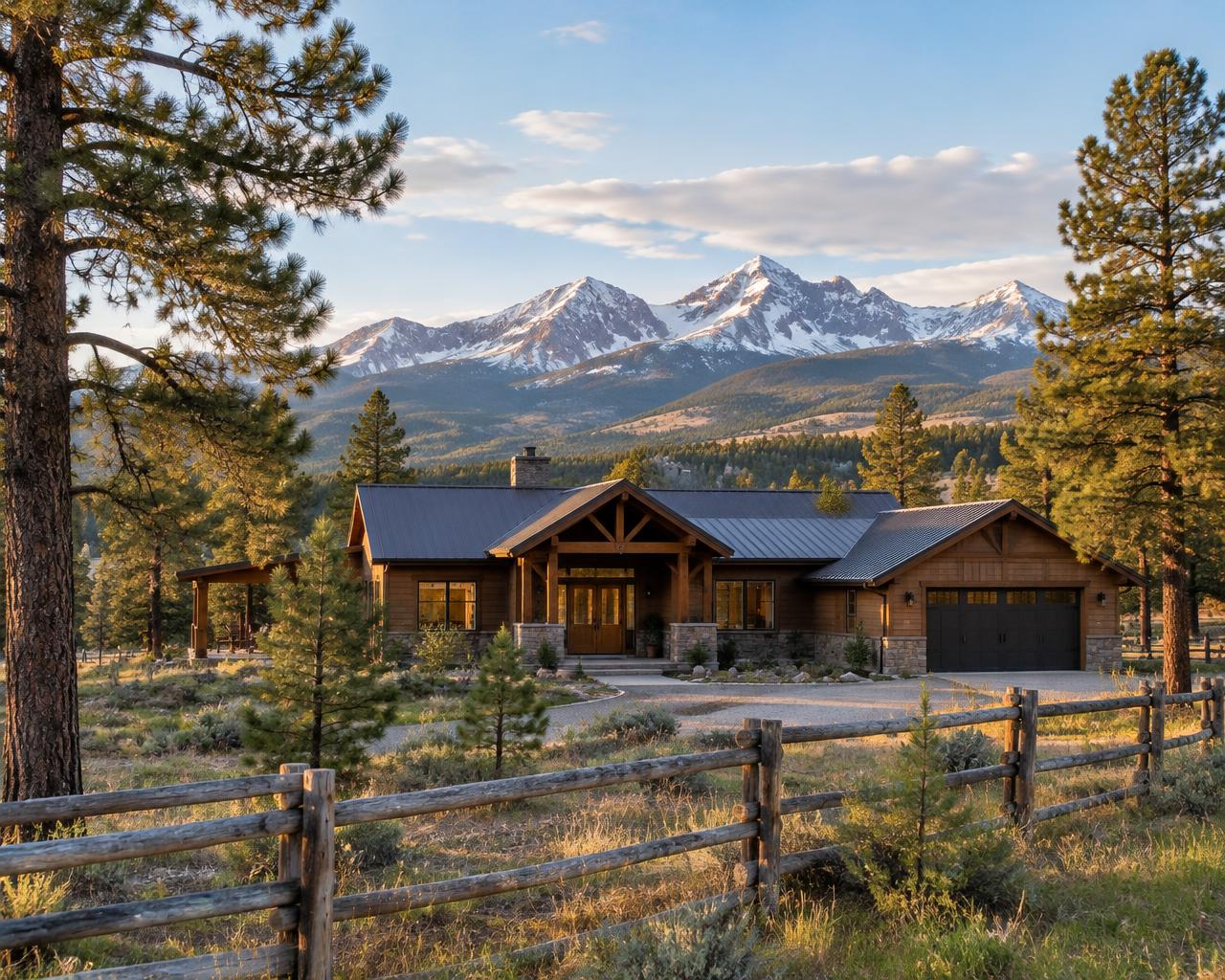
A mountain home can offer a setting you love while asking more of you in maintenance and planning. Before committing, look carefully at wildfire exposure, insurance, road access, and how the property functions when conditions are less inviting than showing day.
Put access near the top of the list
Drive the complete route from a public road to the house. Notice grades, narrow sections, turnarounds, drainage crossings, and shaded areas. Ask how conditions change with snow, ice, runoff, and mud. A road that works for your vehicle on a dry afternoon may present different challenges for service trucks or emergency responders.
Confirm the legal and maintenance picture
Review recorded access documents and road agreements with qualified professionals. Determine who handles repairs, drainage, and snow removal, and how shared responsibilities are organized. Do not confuse evidence that people have used a route with proof that your intended use is legally protected. Consider how equipment, moving trucks, and fuel deliveries would reach the property throughout the year.
Look at wildfire readiness property by property
Vegetation, terrain, nearby fuels, building materials, and access all deserve attention. Seek guidance from appropriate local wildfire mitigation professionals rather than relying on a general impression that a home looks cleared. Mitigation is an ongoing responsibility, not a one-time label that removes risk.
Ask about previous work and what maintenance remains. Look at the relationship between vegetation and the home, accumulated debris, decks, roof surfaces, and storage areas. Discuss realistic improvement priorities with qualified specialists. A property may still require attention even when the seller has completed some work, and no mitigation measure can guarantee that a home will be safe in a wildfire.
Start the insurance conversation early
Give an insurance professional accurate details about the house, roof, heating systems, access, and intended occupancy. Ask what information is needed to evaluate coverage and whether any inspections or improvements are required. Obtain your own answers during the contract process rather than assuming the seller's coverage will transfer to you.
Read the practical terms
Ask about exclusions, deductibles, replacement considerations, and any conditions attached to coverage. If the home will be used seasonally or has unusual systems, describe that clearly. Coordinate timing with your lender and contract deadlines. The buying guide can help frame the larger process, but insurance advice should come from the professional evaluating your specific property and situation.