
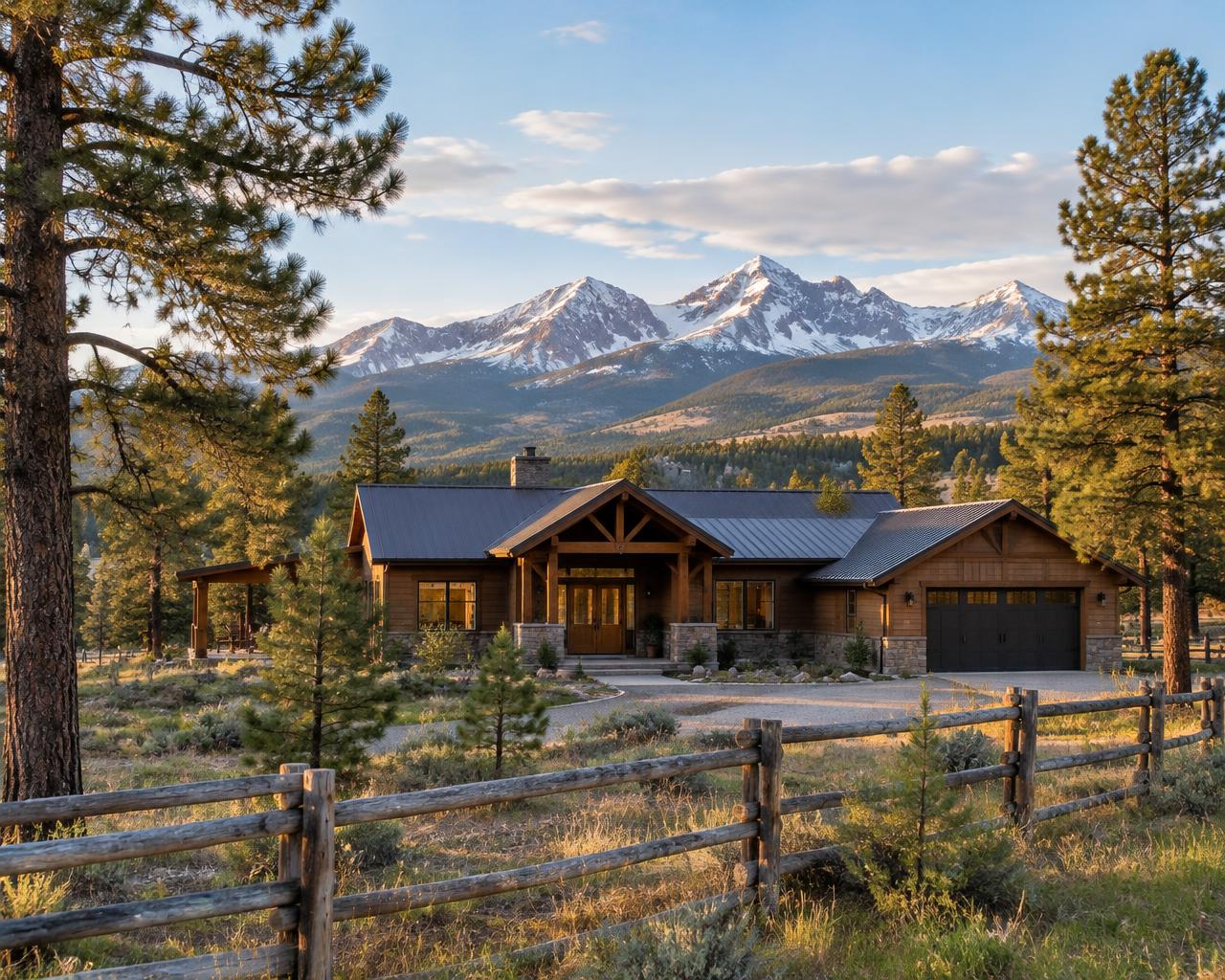
Buying acreage in Montezuma County starts with a simple question: what do you want the land to do for you? A parcel can look perfect from the road and still need substantial investigation before it supports your plans.
Define the use before comparing parcels
Describe your plans in concrete terms. A home with a garden is different from a parcel intended for livestock, irrigated pasture, a workshop, or a future dwelling. Share those plans with the professionals reviewing the property so they can identify relevant restrictions and approvals.
Explore the Montezuma County area guide for orientation, but make decisions at the parcel level. Zoning, covenants, terrain, utilities, and access can vary between nearby properties. Ask the applicable planning authority about your proposed use and avoid treating a seller's informal opinion as approval. If a future use is essential, determine what can be verified before closing and what remains uncertain.
Treat water as its own investigation
Water rights, physical delivery, well permits, and water quality are different parts of the picture. Do not assume acreage includes irrigation rights or that a well allows every use you envision. Ask exactly what rights or interests are included and have qualified professionals evaluate the supporting documents.
Separate legal use from system performance
A well evaluation may help you understand equipment and available supply, while testing addresses selected water-quality questions. Neither necessarily resolves the legal scope of permitted use. For irrigation arrangements, ask about delivery infrastructure, maintenance obligations, and applicable organization records. Have the contract and closing documents identify what is being transferred rather than relying on a verbal statement that water comes with the land.
Verify access and boundaries
Physical access is not the same as a legally established right to cross another property. Ask the title company and appropriate legal professionals to review recorded easements, exceptions, and relevant agreements. If the route crosses another parcel, understand its scope and whether it supports your intended use.
Review boundary information and consider whether a survey is appropriate. Existing fences do not automatically establish legal boundaries. Locate potential encroachments, gates, and shared improvements, then ask how maintenance responsibilities are assigned. For private roads, understand snow removal, drainage, and repair obligations. A useful access plan covers emergency vehicles, deliveries, construction equipment, and your ordinary trips home.